Understanding Senior Care Options Before You’re Forced to Choose
Senior care options can feel endless, especially when you’re trying to make the right decision. That’s why we wanted to put together this handy little guide to help you in your research and decision-making. When a senior is struggling, a caregiver can help. Caregivers come in many different forms. You, reading this right now, are probably a caregiver yourself.
When the search for options begins, it’s usually because an event has occurred or care is impacting the family caregiving unit. Someone may be in the hospital, unsure of what to do next. Being discharged home alone isn’t a safe answer.
Many families turn to search engines or handy little ‘Resource’ books filled with paid advertising. If you click on any of the search results, you’re required to put in all of your contact information, and then it pushes your info out to call lists everywhere before you can get anywhere on the site.
Usually, this is coming from ‘Free’ Senior Care Advisors. The reality is, senior care agents need to get paid. Some work directly for you. They contract with you. And are paid by you. Most are paid when you move into a facility with which they have contracted with. Normally, they get 90-100% of the listed move-in fees. Any discounts given are generally a double loss for the facility.
What kind of facility could this be?
When it comes to options for facilities, it boils down to need.
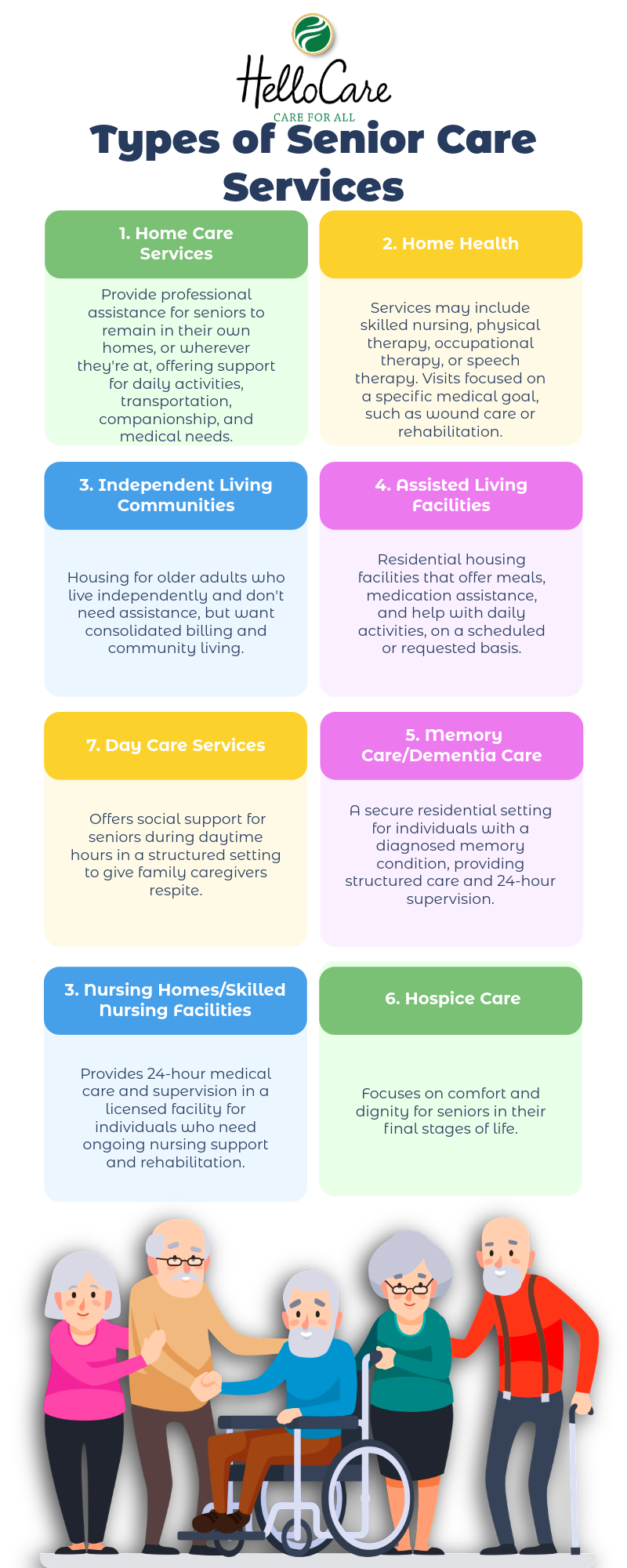
Skilled Nursing, also known as Post Acute or Transitional Health, are facilities that specialize in short-term inpatient care covering things like Wound care, Physical Therapy, and Occupational Therapy, with the plan of getting folks back to their homes. You usually end up in Skilled Nursing after a hospital stay for the transitional period until you’re safe to go home.
For many who go home after a Skilled Nursing stay, or even directly home from the hospital, there is still a need for more therapy. This is where Home Health comes in. Home Health is like Post Acute care in your home. A doctor will make the order, and scheduled visits will take place until the plan is done.
Sometimes, that home isn’t a physical house, but a Senior Independent Living Community. These are senior lifestyle facilities and ‘cottages’. Some are simple 55+ apartment communities with minimal amenities. Some are extravagant cruise ships on land. You tend to get what you pay for. The biggest perk for seniors is having a consolidation of utilities and rent, while engaging in community life, having friends close by, and a calendar of activities to take part in.
But what happens when a senior is struggling? This is where a caregiver can help. Caregivers are those personal aid attendants who help seniors with the activities of daily living they’re struggling with. Caregivers meet seniors where they are at. This could be in their home, apartment, facility, or even in travel.
While seniors or their family can hire caregivers directly, many will choose to use a Home Care Agency. Home Care agencies are licensed and insured. Background checks are run on team members, and training processes are put into place. Good Home Care agencies have development strategies and quality benefits packages for their teams, who are also led by Care Managers and have Nurse Oversight. Great Home Care agencies will bridge the gaps between Acute Care and general caregiving while providing families with resources for all of their needs.
Assisted Living Facilities combine some of the qualities of Independent Living Communities with a team of caregivers. These Caregivers work a little differently than personal caregivers since they are in a community setting where there is usually 1 caregiver for every 10-20 residents. Caregivers in Assisted Living work off a schedule and when a resident requests assistance. 1-on-1 care or companionship would be outsourced to a Home Care Agency or private caregiver.
Memory Care Facilities are communities specifically designed to care for seniors with dementia related illnesses such as Alzheimer’s, Lewy body, and vascular dementia. These facilities require a diagnosis of dementia and are secured, meaning codes or team member assistance is required for anyone entering or leaving. Caregiver ratios are higher, usually 1 caregiver for every 5-10 residents. 1-on-1 care is generally still outsourced to Home Care when necessary, though.
The other care option that is the most overlooked and misunderstood is Hospice Care. A birth and a death are the guarantees we all have in common. Hospice care is the dignity at the end. The comfort for someone passing and the loved ones left in confusion. Hospice helps ease the burden and works alongside all of the other providers to ensure a person’s final moments are properly cared for.
Other Senior Care options that exist are Group Homes and Senior Day Centers, which shouldn’t be confused with Senior Centers. These can vary dramatically depending on state regulations and general availability in your area. Just like any of the other options, some due diligence is necessary during the vetting process.
Making senior care decisions is about understanding what fits the situation you’re in right now and figuring out the landscape. We’ll continue breaking that down in the next article, starting with the questions families often wish they had asked sooner.